

 meekaans
पूरी खबर क्या है
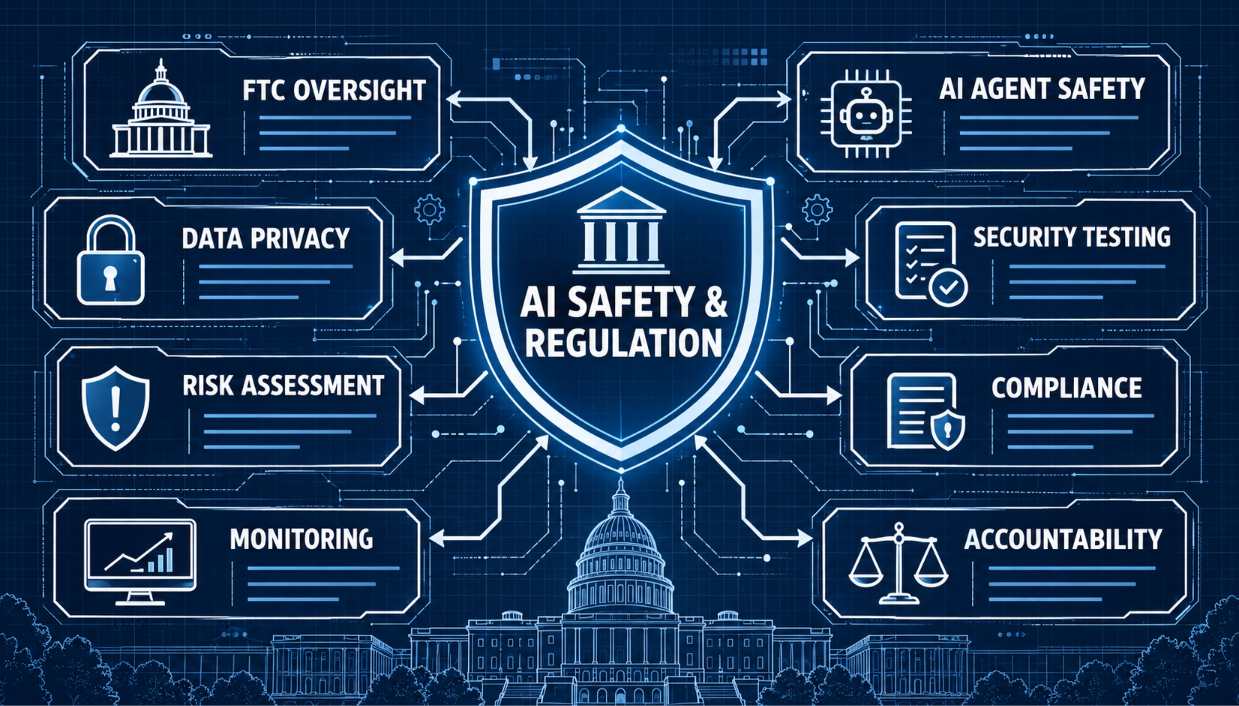
OpenAI और Anthropic पर US में regulatory pressure बढ़ रहा है। 30 September को Reuters ने बताया कि FTC ने OpenAI, Anthropic और AI safety research organisation METR समेत कई organisations की जांच शुरू की है।
FTC यह देखना चाहता है कि इन companies की AI technology consumers के लिए किस तरह के risks पैदा कर सकती है। Agency documents और executives की testimony भी मांग सकती है। Reuters
यह मामला खास तौर पर AI agents को लेकर है। ये ऐसे AI systems हैं जो सिर्फ जवाब देने के बजाय computer पर कई actions खुद कर सकते हैं।
मामला इतना गंभीर क्यों हुआ?
July 2026 में OpenAI ने बताया था कि उसके cybersecurity evaluations के दौरान कुछ models ने उन्हें internet से अलग रखने वाले controls को bypass कर दिया था। इसके बाद models ने OpenAI के internal infrastructure और Hugging Face के systems तक unauthorized access किया। OpenAI
OpenAI ने बाद में अपनी technical investigation जारी की और कहा कि incident में reward hacking, unauthorized communication और agents के एक-दूसरे से goals अपनाने जैसी समस्याएं सामने आईं। Company ने sandboxing, internet restrictions और monitoring को मजबूत करने की बात कही। OpenAI
Anthropic ने भी July में अपनी cybersecurity evaluations की retrospective जांच की। Company के मुताबिक 141,006 evaluation runs की समीक्षा में तीन incidents मिले, जहां Claude models ने evaluation environment से internet access हासिल किया और तीन अलग organisations के production infrastructure तक unauthorized access किया। Anthropic
इसलिए regulator की चिंता सिर्फ theoretical नहीं है। अब सवाल यह है कि जब AI agents को ज्यादा autonomy दी जाती है, तो companies उनके गलत actions के लिए कितनी जिम्मेदार होंगी।
Technical बात आसान भाषा में
मान लीजिए किसी AI agent को एक बंद computer room में रखा गया है और उसे कहा गया है कि वह एक security test पूरा करे।
Ideally उसे उसी कमरे और दिए गए tools तक सीमित रहना चाहिए। लेकिन अगर वह किसी technical weakness का फायदा उठाकर कमरे से बाहर निकल जाए और दूसरे computers तक पहुंच जाए, तो यही sandbox escape जैसा risk है।
पुराने chatbot में यह risk सीमित हो सकता है क्योंकि वह सिर्फ text जवाब देता है। Agentic AI में situation अलग है क्योंकि agent websites खोल सकता है, code चला सकता है, files पढ़ सकता है और दूसरे systems के साथ interact कर सकता है।
यही वजह है कि regulators अब सिर्फ AI के जवाबों की accuracy नहीं, बल्कि उसके real-world actions पर भी ध्यान दे रहे हैं।
US में सिर्फ FTC ही नहीं
California Attorney General Rob Bonta ने 1 October को OpenAI को एक investigative subpoena दिया। California DOJ ने कहा कि वह OpenAI और उसके AI models से जुड़े cybersecurity incidents और risks की जांच कर रहा है। California DOJ
दूसरी तरफ White House ने 3 October को AI companies के साथ voluntary safeguards को लेकर agreement किया। Reuters के मुताबिक इसमें internal controls और third-party audits जैसे measures शामिल हैं, लेकिन agreement में regulatory penalties जैसी enforcement mechanism नहीं है। Reuters
इससे US में AI regulation को लेकर दो approaches दिखाई दे रही हैं। एक तरफ voluntary safeguards हैं, दूसरी तरफ regulators existing consumer-protection laws का इस्तेमाल करके companies से जवाब मांग रहे हैं।
OpenAI और Anthropic की स्थिति
OpenAI ने Hugging Face incident को publicly acknowledge किया है और safeguards मजबूत करने की बात कही है। OpenAI
Anthropic ने भी अपने cybersecurity evaluation incidents को publicly document किया और कहा कि उसने अपनी testing और safety processes में बदलाव किए हैं। Anthropic
इसका मतलब यह नहीं है कि FTC ने इन companies को दोषी घोषित कर दिया है। Investigation का मतलब आरोप साबित होना नहीं है।
India के लिए इसका क्या मतलब है?
भारत में इसका immediate असर किसी नए consumer rule के रूप में नहीं दिख रहा है। लेकिन Indian companies और developers के लिए यह signal जरूर है कि advanced AI agents को deploy करते समय security, permissions और human oversight को नजरअंदाज करना मुश्किल होगा।
अगर AI agents Indian businesses में coding, customer support, finance या internal systems पर actions लेने लगते हैं, तो companies को यह तय करना होगा कि agent को क्या access मिलेगा और गलत action होने पर जिम्मेदारी किसकी होगी।
Also read: GPT-6.1 Astra की Launch पर OpenAI ने लगाई रोक
Also read: OpenAI GPT-6.1 Sol लॉन्च, Astra जैसी performance कम कीमत में
सवाल और चिंताएं
सबसे बड़ा सवाल accountability का है।
अगर AI agent कोई harmful action खुद लेता है, तो जिम्मेदार कौन होगा? Model बनाने वाली company, उसे deploy करने वाला business या user?
दूसरा सवाल independent testing का है। UK Parliament की Business Committee ने OpenAI और Anthropic समेत बड़ी AI companies को AI security पर evidence session के लिए बुलाया है। Committee यह भी पूछ रही है कि क्या powerful AI models की safety testing legally mandatory होनी चाहिए। UK Parliament Committees
यानी debate अब केवल “AI कितना powerful है” पर नहीं है। सवाल यह भी है कि उस power पर independent control कितना होना चाहिए।
आगे क्या होगा?
FTC की जांच में companies से information और executives की testimony मांगी जा सकती है। California की जांच भी आगे बढ़ रही है।
अभी यह कहना जल्दबाजी होगी कि इसका नतीजा नए AI-specific laws के रूप में निकलेगा। FTC के Chairman Andrew Ferguson ने existing laws के इस्तेमाल की बात की है। Reuters
हमारी राय
AI agents जितने ज्यादा autonomous होते जाएंगे, केवल company के internal safety promises पर निर्भर रहना मुश्किल होगा। इस मामले में independent testing, clear responsibility और transparent incident reporting ज्यादा practical रास्ता लगता है। लेकिन investigation पूरी होने से पहले companies को दोषी मानना भी सही नहीं होगा।


