

 meekaans
India में Agentic AI की तस्वीर बदल रही है
अब तक AI से काम लेने का सामान्य तरीका था कि आप chatbot को सवाल दें और वह जवाब दे। अगर कोई काम करना हो, तो अगला step आपको खुद लेना पड़ता था।
Agentic AI इस process को आगे ले जाता है। AI को कोई goal दिया जाता है और वह कई steps को खुद coordinate करके authorised action पूरा कर सकता है।
5 October 2026 को प्रकाशित Express Computer की रिपोर्ट के मुताबिक, India में यह बदलाव commerce, manufacturing, banking और payments जैसे sectors में दिखाई दे रहा है। Express Computer
इसका मतलब यह नहीं है कि AI को हर जगह पूरी आजादी मिल गई है। ज्यादातर real-world systems में permissions, authentication, spending limits और human review जैसे controls मौजूद हैं।
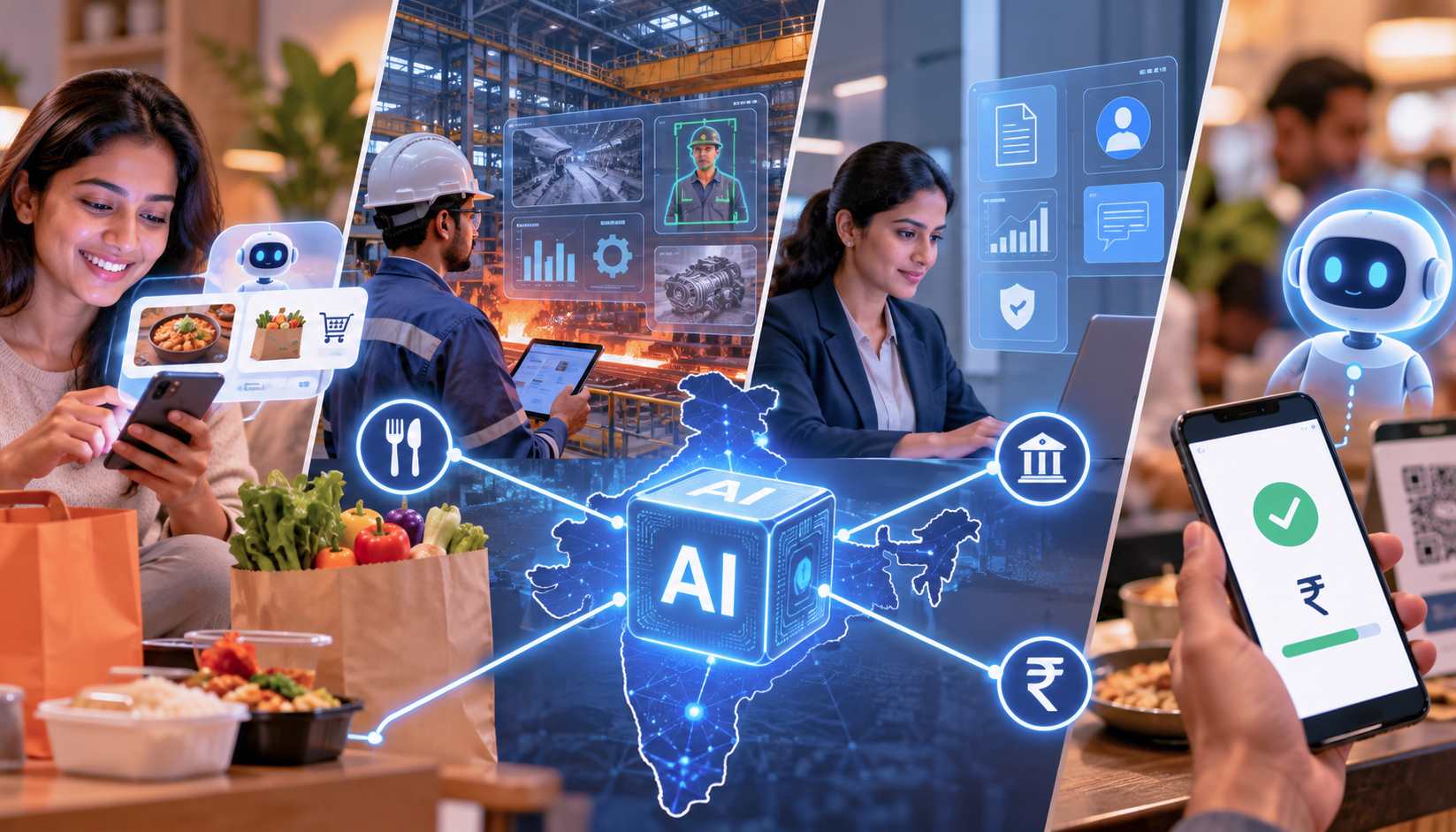
Swiggy में AI सिर्फ recommendation नहीं दे रहा
Swiggy ने January 2026 में Food, Instamart और Dineout को AI assistants के साथ integrate करने की घोषणा की थी।
इस integration में Model Context Protocol यानी MCP का इस्तेमाल किया गया है। Swiggy के मुताबिक, users AI tools जैसे ChatGPT और Claude के जरिए products search कर सकते हैं, cart बना सकते हैं, coupons apply कर सकते हैं, order place कर सकते हैं और delivery track कर सकते हैं। Dineout में table booking भी शामिल है।
Instamart integration में Swiggy ने 40,000 से ज्यादा products का assortment AI systems के लिए उपलब्ध कराने की बात कही थी।
April 2026 में Swiggy ने Builders Club भी announce किया, जिसके जरिए approved developers और enterprises को 3 MCP servers और 18 से ज्यादा API tools के जरिए Food, Instamart और Dineout पर AI applications बनाने का access दिया जाना है। Swiggy
यानी future में user को हर बार Swiggy app खोलने की जरूरत कम हो सकती है। वह AI से कह सकता है कि “चार लोगों के लिए dinner order करो” और AI available options देखकर आगे का workflow संभाल सकता है।
Tata Steel ने factory और office workflows में agents लगाए
Manufacturing में Agentic AI का इस्तेमाल थोड़ा अलग है।
Tata Steel ने April 2026 में Google Cloud के साथ बताया था कि उसने सिर्फ नौ महीनों में 300 से ज्यादा specialised AI agents deploy किए हैं।
इनका इस्तेमाल HR, customer complaints, invoices, contracts और manufacturing operations जैसे areas में हो रहा है।
कंपनी के मुताबिक उसका internal Tata Steel Digital Assistant routine HR tickets में 70% से ज्यादा मामलों को autonomously resolve कर रहा है।
Factory floor पर Safety EyeQ live video feeds को analyse करके safety risks और SOP deviations identify करता है। वहीं Asset Sphere equipment health को analyse करके proactive maintenance plans बनाने में मदद करता है।
Customer complaints के मामले में Tata Steel का कहना है कि AI agents complaint information और images को analyse करके सही resolver group तक issue पहुंचाते हैं और average turnaround time में 50% की कमी आई है। यह आंकड़े कंपनी के अपने claims हैं, independent performance test नहीं। Tata Steel
HDFC Bank में Agentic AI banking workflows तक पहुंचा
Banking में AI का मामला ज्यादा sensitive है क्योंकि यहां customer data, money और risk involved होता है।
HDFC Bank ने April 2026 की analyst presentation में अपनी in-house unified AI platform की जानकारी दी थी। इसमें Agentic Studio और Agentic Mesh शामिल हैं।
Bank के मुताबिक, 5 AI use cases production में थे और 14 दूसरे use cases development में थे। Platform enterprise search, document extraction, voice-based agents और AI development lifecycle को एक जगह लाता है।
Bank ने governance और security के लिए evaluation systems और risk team की independent second-line safeguard का भी उल्लेख किया है। HDFC Bank
यहां Agentic AI का मतलब यह नहीं कि AI अपने मन से financial decisions लेने लगा है। इसका इस्तेमाल authorised banking workflows को automate करने और अलग-अलग internal systems के बीच काम coordinate करने की दिशा में है।
NPCI और UPI में Agentic AI क्यों बड़ा मामला है?
Agentic AI का सबसे interesting हिस्सा payments हो सकता है।
February 2026 में Razorpay और NPCI ने Claude पर Agentic Payments का pilot announce किया था। इसमें users AI conversation के अंदर रहते हुए Zomato, Swiggy और Zepto जैसी services से food और grocery orders कर सकते हैं। Razorpay
इस system में UPI infrastructure और UPI Reserve Pay जैसे mechanisms का इस्तेमाल किया गया। User predefined spending limit और consent controls के जरिए AI को transaction करने की अनुमति दे सकता है। Business Today
NPCI अब इससे आगे agent identity और authorisation से जुड़े protocols पर भी काम कर रहा है। September 2026 में NPCI chairman Ajay Kumar Choudhary ने AI agents को UPI ecosystem में identify और authorise करने की जरूरत की बात कही थी। The Economic Times
NPCI का AtOM यानी Agentic Orchestration & Messaging platform भी payment ecosystem में agents के बीच coordinated workflows के लिए बनाया गया है। NPCI के अनुसार यह शुरुआत में UPI के लिए designed है और generated code को human review के बिना automatically deploy नहीं करता। NPCI
Agentic AI आसान भाषा में कैसे समझें?
मान लीजिए आप AI से कहते हैं:
“₹1,000 के अंदर दो लोगों के लिए अच्छा dinner order करो।”
एक सामान्य chatbot आपको restaurants की list दे सकता है।
एक agentic system authorised access मिलने पर restaurants खोज सकता है, price compare कर सकता है, options filter कर सकता है, cart बना सकता है और payment workflow तक जा सकता है।
यानी फर्क जवाब देने और काम पूरा करने के बीच है।
लेकिन agent को हर action की unlimited permission देना जरूरी नहीं है। Spending limit, user confirmation, authentication और human approval जैसे controls तय कर सकते हैं कि AI क्या कर सकता है और क्या नहीं।
Swiggy, Tata Steel, HDFC Bank और NPCI में फर्क
| Organisation | Agentic AI का इस्तेमाल | स्थिति |
|---|---|---|
| Swiggy | Food, grocery, dining और AI-commerce actions | Live integrations |
| Tata Steel | HR, safety, maintenance, complaints और back-office | 300+ agents, company-reported |
| HDFC Bank | Banking workflows, search, documents, voice agents | 5 use cases production में, bank-reported |
| NPCI | Agentic payments और agent orchestration | Pilots / infrastructure development |
इन चारों examples को एक ही तरह का product समझना सही नहीं होगा। Swiggy का use case consumer commerce है, Tata Steel का industrial enterprise automation, HDFC Bank का internal banking workflow और NPCI का focus payments infrastructure तथा agent ecosystem पर है।
आपके लिए इसका क्या मतलब है?
Students: AI से सिर्फ answer लेने के बजाय research, planning और कुछ digital tasks को execute कराने वाले tools ज्यादा common हो सकते हैं।
Professionals: Repetitive workflows जैसे documents, reports, data lookup और internal processes में AI agents का इस्तेमाल बढ़ सकता है।
Creators: Content research से लेकर publishing workflow के कुछ हिस्से automated हो सकते हैं, हालांकि final review अभी भी जरूरी रहेगा।
Developers: APIs और MCP जैसे standards के जरिए AI agents को existing services से connect करने की जरूरत बढ़ेगी।
Businesses: AI chatbot बनाने से ज्यादा बड़ा सवाल यह होगा कि AI को किन systems और permissions तक access दिया जाए।
India के लिए Agentic AI का एक बड़ा advantage existing digital infrastructure हो सकता है।
UPI, API-based services और बड़े digital consumer platforms पहले से मौजूद हैं। NPCI के मुताबिक August 2026 में UPI पर 752 banks live थे और उस महीने करीब 24.51 billion transactions process हुए। NPCI
ऐसे ecosystem में AI agent को commerce या payments workflow से जोड़ना उन markets की तुलना में अलग अवसर देता है जहां digital payment infrastructure fragmented है।
लेकिन scale के साथ security की जरूरत भी बढ़ेगी। अगर AI को payment या customer data का access मिलता है, तो गलत instruction, compromised account या गलत agent action का असर chatbot की गलत जानकारी से कहीं बड़ा हो सकता है।
सवाल और चिंताएं
सबसे बड़ा सवाल trust का है।
अगर AI सिर्फ recommendation दे रहा है तो गलती होने पर user उसे ignore कर सकता है। लेकिन अगर AI order place, payment initiate या business workflow execute कर रहा है, तो गलत action सीधे नुकसान कर सकता है।
इसलिए permission management, identity verification, transaction limits, audit logs और human oversight ज्यादा महत्वपूर्ण हो जाते हैं।
Jobs को लेकर भी असर अलग-अलग होगा। Agentic AI repetitive tasks कम कर सकता है, लेकिन इससे यह अपने आप साबित नहीं होता कि किसी पूरे job role की जरूरत खत्म हो जाएगी। असर इस बात पर निर्भर करेगा कि organisations agents को किन workflows में deploy करती हैं और employees की भूमिका कैसे बदलती है।
आगे क्या?
Official developments को देखें तो direction साफ है। AI agents को ज्यादा applications, APIs और payment systems से जोड़ने की कोशिश चल रही है।
Swiggy developers को अपनी commerce capabilities के ऊपर AI applications बनाने का access दे रहा है। Tata Steel enterprise और factory workflows में agents बढ़ा रहा है। HDFC Bank अपने internal AI platform को scale करने की दिशा में है। NPCI agent identity, orchestration और payments के लिए infrastructure तैयार कर रहा है। Swiggy
लेकिन “AI पूरी तरह अपने आप सब कुछ करेगा” कहना अभी जल्दबाजी होगी। आज के deployments काफी हद तक defined permissions और controlled workflows के अंदर हैं।Fact Check Note
Fact Check Note
इस खबर में दिए गए AI agents की संख्या और performance के आंकड़े संबंधित कंपनियों के अपने claims हैं। इनके लिए independent benchmark उपलब्ध नहीं है। इसलिए इन्हें company-reported figures के रूप में पढ़ें। Swiggy, Tata Steel, HDFC Bank और NPCI के बताए गए deployments और initiatives को primary sources से verify किया गया है।
हमारी राय
India में Agentic AI का सबसे बड़ा बदलाव chatbot की quality नहीं, बल्कि AI को real systems में action लेने की permission मिलना है। Swiggy में यह commerce से शुरू हो रहा है, Tata Steel में industrial workflows से और HDFC Bank तथा NPCI में financial infrastructure तक पहुंच रहा है। असली test अब यह होगा कि ये systems कितने accurate होने के साथ-साथ कितने controllable और auditable रहते हैं।


